HUD Definition:
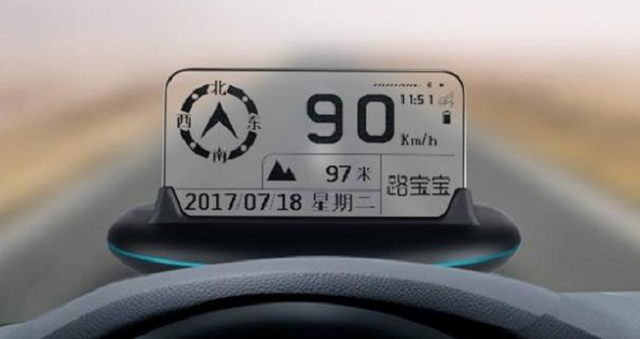
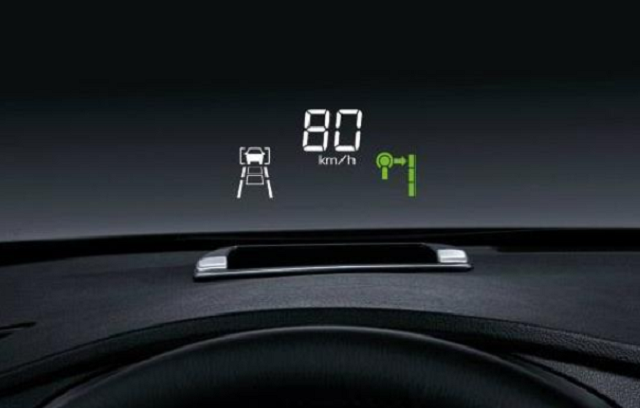
The main function of HUD head-up display is to project driving information such as vehicle speed and navigation information onto the vehicle's windshield, allowing the driver to see this driving information without looking down or turning their head. The main purpose is to prevent the driver from moving their line of sight away from the driving route, minimizing driver distraction, enabling better observation of road conditions, providing better reaction space when special situations occur, and effectively preventing eye fatigue. The HUD head-up display originated from fighter jet optical sights, first appearing in World War I, and began to be used in World War II. Today, more and more vehicle models are equipped with HUD head-up display functionality.
HUD Function:
In fact, the most important function of HUD head-up display is to ensure driving stability, allowing the driver to focus more energy on observing road conditions. For example, when driving on a highway, if the driver spends a few seconds looking down at navigation or driving status, in those few seconds, the vehicle has already "blindly traveled" dozens of meters at high speed. Road conditions change rapidly during high-speed driving, and the consequences are unimaginable.
The function of HUD head-up display is to project relevant driving information (such as: vehicle speed, RPM, mileage, oil pressure, and even lane change assist, lane departure warning, and current road traffic sign information, etc.) through the HUD system onto the front windshield (some vehicle models, to control costs, only project onto a specially set glass panel), so that the driver no longer needs to look down at the combination instrument, concentrating the driver's attention while driving and improving driving safety.