LDW Definition
The Lane Departure Warning (LDW) driver assistance system provides visual and tactile warnings to prevent the driver from departing from the lane. A study commissioned by the German Federal Ministry of Education and Research shows that lane departure warning systems can prevent half of the accidents caused by such situations.
The Lane Keeping Assist System (LKA) provides active support to the driver by keeping the vehicle in the center of the lane across the full speed range. The LKA system can be combined with the Adaptive Cruise Control system (ACC) to provide support for both longitudinal and lateral control simultaneously. The driver can deactivate the system at any time.
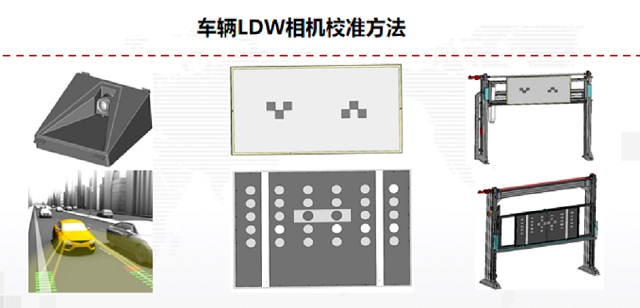
Characteristics of Lane Departure Warning System
It can inform the driver through vibration on one side of the driver's seat that one side of the vehicle is crossing or has crossed the lane marking, thereby preventing dangerous situations.
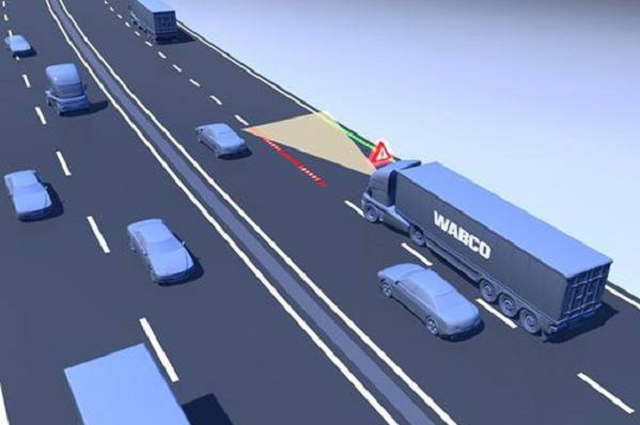
Lane Departure Warning System Working Principle
Through a camera installed on the windshield inside the vehicle, it collects and analyzes driving lane markings. When the vehicle deviates from the lane (unintentionally: deviating without using turn signals), the system issues an alert 0.5-1 seconds in advance, assisting the driver in correcting the direction and proactively preventing traffic accidents such as side collisions and rollovers.
The LDWS system works as follows: when the vehicle crosses lane markings (white traffic lane markings) without activating the turn signal, the infrared sensor behind the front bumper can detect this action and trigger the ECU. Based on the direction of lane departure, it alerts the driver through vibration on the left or right side of the driver's seat. This allows the driver to take immediate action and return to the original lane.
Technical Key Points of Lane Departure Warning System
The lane departure warning system is divided into "longitudinal" and "lateral" lane departure warning as two main functions. The longitudinal lane departure warning system is mainly used to prevent lane departure collisions caused by excessive speed or loss of steering control, while the lateral lane departure warning system is mainly used to prevent lane departure collisions caused by driver inattention or abandonment of steering operations.
When the vehicle deviates from the driving lane, it can alert the driver through warning sounds, steering wheel vibration, or automatic steering correction.
Development of Lane Departure Warning System
Research on lane departure warning systems mainly focuses on vision-based systems. However, from the current technical level, the most important factor affecting the reliability of vision-based lane departure warning systems is the weather conditions and lighting variations, which is a major challenge faced by all vision-based systems. Currently, researching various robust lane departure evaluation algorithms that can adapt to various weather conditions and overcome the effects of lighting variations and shadow conditions is the development trend for all vision-based lane departure warning systems.
Based on the development trend of automotive active safety and domestic traffic conditions, the automotive active safety electronics industry is gradually forming an independent system. Many automotive industry professionals in China are paying close attention and actively conducting research and development. Currently, only a few companies in China have well-developed lane departure system R&D and have formed an independent industry. The launch of lane departure systems means that China has entered a new era of automotive active safety.